
I used to think sugar cravings were a test of character. I was wrong. They’re a biological distress signal.
My conversion from a “just say no” willpower purist to a bio-strategy person started with a donut.
Specifically, a glazed donut sitting on a conference room table at 3 PM. I had eaten a salad for lunch. I was “being good.” But as the meeting dragged on, that donut started to look less like a pastry and more like a life raft.
I didn’t eat it. I white-knuckled through the meeting, feeling virtuous but miserable. Then I went home and inhaled half a jar of peanut butter and a stale chocolate bar I found in the back of the pantry.
The willpower approach failed because it ignored the wiring.
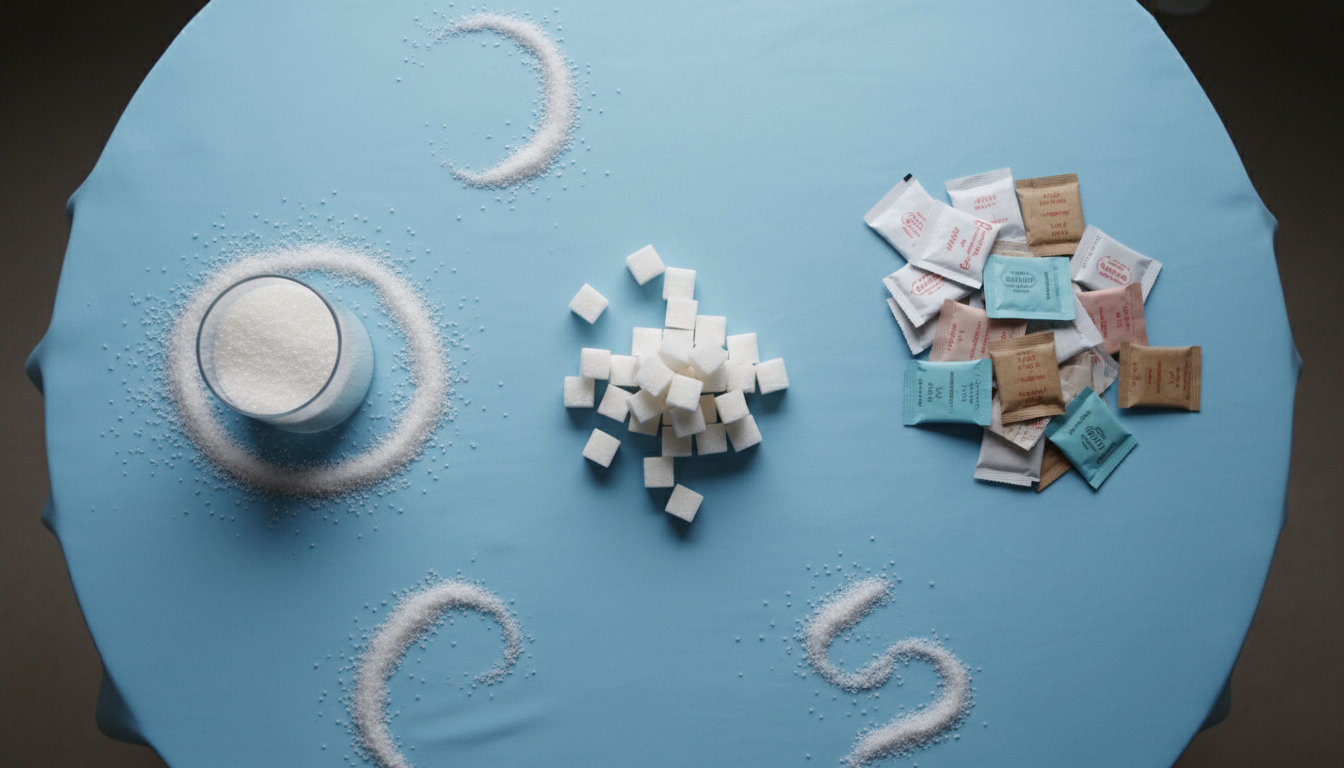
We treat our bodies like obedient machines that should just listen to our commands. “Don’t eat that.” “Run faster.” “Wake up.” But the body isn’t a machine. It’s a complex, chemical ecosystem. And when you crave sugar, your ecosystem is telling you something is off-balance.
Trying to fight a sugar craving with willpower is like trying to hold a beach ball underwater. You can do it for a while, but eventually your arms get tired - and that ball launches into your face.
The solution isn’t to push harder. It’s to change the environment.
Here are 10 ways to stop fighting your biology and start working with it.
1) Eat enough protein (the anchor)
Protein is one of the most underused tools in the anti-sugar arsenal. It’s the anchor that keeps your blood sugar steadier while the waves of the day crash around you.
When you eat a carb heavy meal (or a “sad salad” with no real protein), your blood sugar rises and then drops. That dip can trigger the “feed me now” signal your brain interprets as a sugar craving.
If you’re craving sugar, there’s a good chance you didn’t eat enough protein at your last meal.
2) Hydrate first (the false alarm)
Your brain is surprisingly bad at distinguishing “I’m thirsty” from “I’m hungry.”
When your energy dips because you need water, your brain often reaches for the fastest energy source it knows: glucose.
Before you reach for something sweet, drink a tall glass of water and wait 10 minutes. You’ll be shocked how often the “emergency” fades.
3) Get more sleep (the system reboot)
This is the one nobody wants to hear, but sleep deprivation is basically an injection of craving hormones.
When you don’t sleep, hunger signals rise and fullness signals fall. On top of that, your decision-making brain gets weaker, while the reward-seeking brain gets louder.
You aren’t weak. You’re tired.
4) Manage stress (the cortisol tax)
Stress is expensive. Physiologically, it demands energy.
When you’re stressed, your body releases cortisol. Cortisol’s job is to mobilize fuel. It pushes glucose into the bloodstream to prepare you for action.
If you don’t “burn it off” physically, your body often asks for a refill - and sugar is the quickest refill.
You can’t remove stress completely, but you can reduce the cortisol bill with a walk, breathing, or stepping away from the screen for a few minutes.
5) Eat regular meals (the steady current)
Intermittent fasting is trendy, but for some people it’s a shortcut to a binge.
If you let your blood sugar drop too low by skipping meals, your primal brain takes over. It doesn’t want broccoli. It wants the densest fuel available.
Regular, balanced meals keep you in a range where you make decisions - not your survival brain.